Emergency
AC Out in a Louisiana Heat Wave? Do This First
When the outdoor temperature climbs past 95 and the humidity makes it feel like 108, a dead air conditioner is more than an annoyance in Baton Rouge. Indoor temperatures can climb into the 80s within a couple of hours in a typical brick-and-slab home, and that is genuinely unsafe for infants, older adults, and pets. The good news is that a fair share of no-cooling calls trace back to something a homeowner can safely check in five minutes.
Melvin has run these calls across East Baton Rouge Parish since 2020, and the pattern is consistent. Before you sit in the heat waiting on a tech, walk through the checks below. If none of them brings the cold air back, that is useful information for the person who shows up to diagnose it.
Start at the thermostat
Confirm the thermostat is set to COOL, not FAN or OFF, and that the setpoint is at least three or four degrees below the current room temperature. A thermostat set to FAN will blow room-temperature air all day, which fools people into thinking the compressor is running. If it is a battery model and the screen is dim or blank, swap the batteries before anything else.
Check the breaker, but only once
Most Baton Rouge homes run the air handler and the outdoor condenser on separate circuits. Find the HVAC breakers in your panel and look for one that has tripped to the middle position. Reset it a single time. If it trips again immediately, stop. A breaker that keeps tripping is protecting you from a real electrical fault, and repeatedly resetting it can damage the compressor or start a fire.
Safety first
If you smell burning, see scorch marks at the disconnect, or hear the outdoor unit humming without the fan spinning, turn the system off at the breaker and call for service. Do not keep cycling power to a unit that is straining.
Look at the filter and the vents
A filter caked with dust chokes airflow across the evaporator coil, and in our humidity that can freeze the coil into a block of ice. Pull the filter. If daylight barely passes through it, replace it. Then confirm supply registers are open and that furniture or rugs are not blocking return grilles. Restricted airflow is the single most common cause of the frozen-coil calls we run each summer.
Check for ice and water
Look at the copper refrigerant lines where they enter the air handler, and glance at the emergency drain pan. Ice on the lines or the indoor coil means the system needs to thaw before it will cool again, which can take a few hours with the system off and the fan on. Standing water in the pan or a wet ceiling near the unit points to a clogged condensate drain, which is extremely common in our climate.
- Set the thermostat to OFF but the fan to ON to help ice melt faster.
- Place towels or a shallow pan under any active drip.
- Photograph the ice, water, and the model and serial plate for the technician.
- Do not chip at ice on the coil with anything sharp.
When to stop and call Geaux 72
If the thermostat is right, the breaker holds, the filter is clean, and you still have warm air or no airflow, the problem is likely a failed capacitor, a contactor, a blower motor, or a refrigerant issue. None of those are DIY territory. A blown capacitor is one of the most frequent heat-wave failures we see, and it is an affordable fix when caught early. Refrigerant work requires EPA Section 608 certification by law, so that is never a homeowner job.
We cover Baton Rouge and nearby communities including Prairieville and Gonzales, and heat-wave weeks are our busiest, so calling sooner gets you an earlier slot. Emergency AC repair during a Louisiana heat wave is exactly the kind of call Melvin built this business around.
What a technician actually measures on a no-cooling call
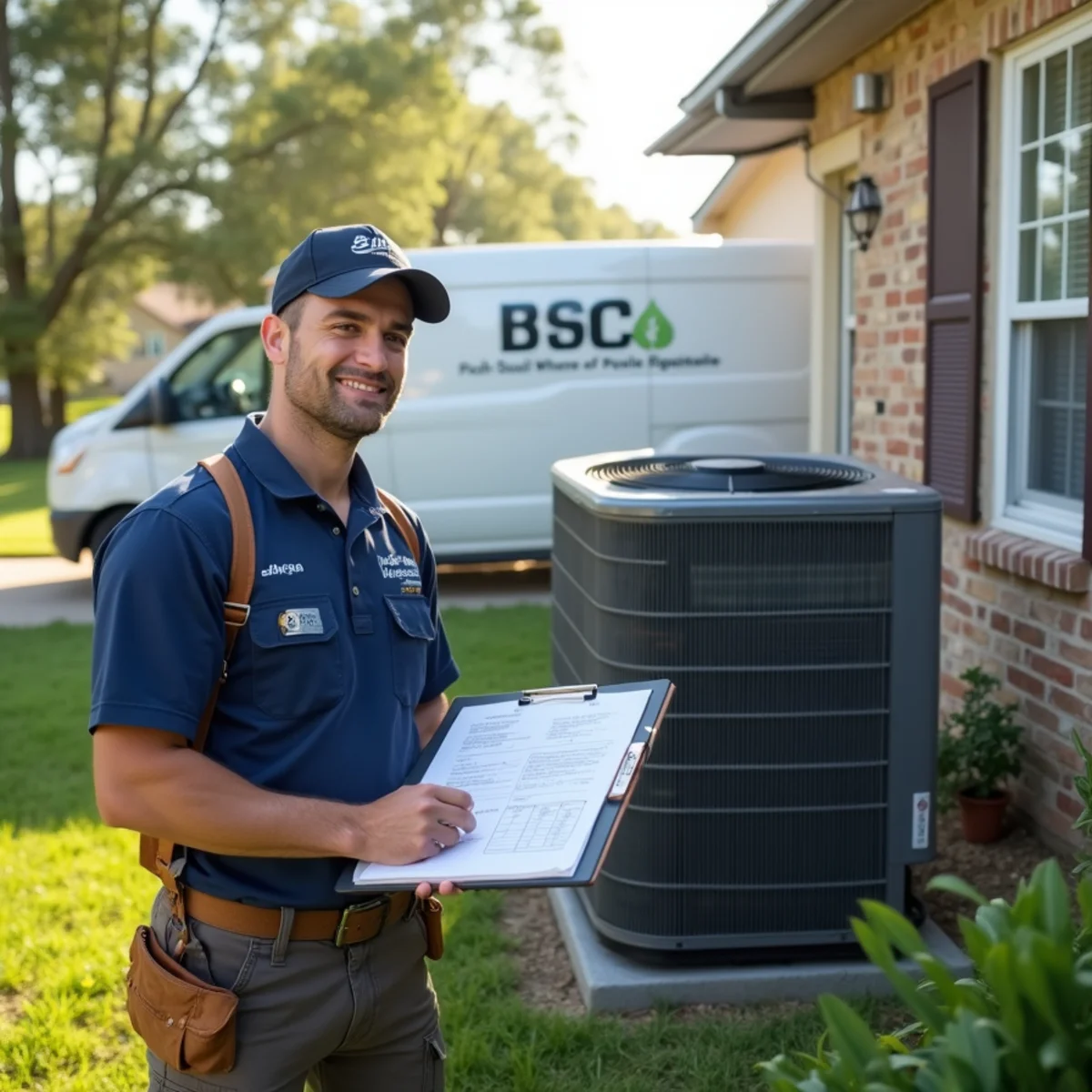
When a tech pulls up to a dead system, the diagnosis is a sequence of measurements, not a hunch. The first reading is the temperature split, the difference between the return air drawn into the system and the conditioned air leaving the supply vents. A healthy air conditioner in Baton Rouge should deliver a split of roughly 16 to 22 degrees. A split near zero while the compressor runs points to a lost refrigerant charge or a compressor that has stopped pumping, while a wide split paired with almost no airflow points to a blower problem or a coil frozen into a block of ice. That one number narrows a whole afternoon of possibilities in seconds.
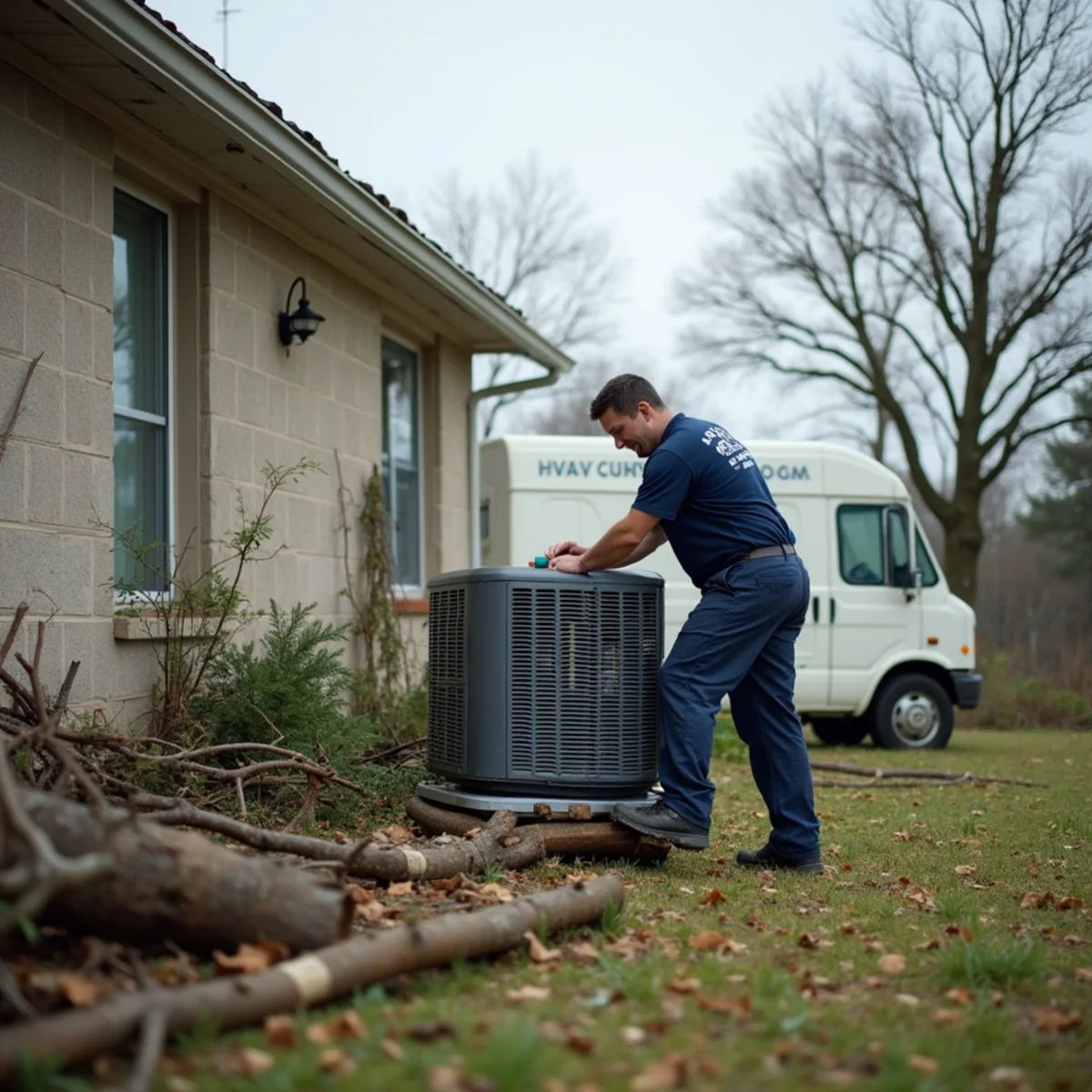
From there the tech puts a meter on the run capacitor, because a capacitor that has drifted below its rated microfarads is the single most common heat-wave failure we see across East Baton Rouge Parish. A dual-run capacitor stamped 45/5 microfarads that now reads 30 has lost the muscle to start the compressor and the outdoor fan, which is exactly why you hear the unit hum without ever catching. After that comes a look at the contactor points for pitting, a check of incoming voltage at the disconnect, and a comparison of the compressor amp draw against the data plate. Every step rules something out, and that is why a measured diagnosis beats throwing parts at a system and hoping.
The hum-but-no-spin clue
If the outdoor unit hums but the top fan will not spin, resist the urge to push it with a stick. That symptom usually means a failed capacitor or motor, and forcing the fan can injure you without fixing anything. Shut it off and note it for the tech.
Load-shedding steps while you wait for the truck
During a Capital Region heat wave, every bit of heat you keep out of the house is heat the system will not have to fight once it is running again, and it keeps vulnerable family members safer in the meantime. A few minutes of load shedding buys real time.
- Close blinds and curtains on the south and west sides, where the afternoon sun drives the heaviest heat gain
- Turn off the oven, stovetop, and any incandescent lighting, which all dump sensible heat into the room
- Skip the dryer and dishwasher until cooling returns, since both add heat and humidity
- Run kitchen and bath exhaust fans only briefly, because they pull conditioned air out and humid air in
- Leave the thermostat set to COOL so the system resumes automatically the moment the repair is finished
- Gather everyone into one shaded room with a box or ceiling fan moving air across the skin
How fast a closed-up house crosses into danger
It helps to know the clock you are actually racing during a Capital Region heat wave. A typical Baton Rouge brick-and-slab home with the AC dead and the sun beating on it will gain several degrees an hour once the outdoor temperature sits in the mid-90s, and a two-story or poorly insulated house climbs faster. That is why an 80-degree indoor reading at noon can become a genuinely dangerous mid-80s with high humidity by mid-afternoon, especially for infants, older adults, anyone on certain medications, and pets that cannot sweat the way people do.
The humidity is the hidden multiplier. When indoor relative humidity climbs toward 60 percent and beyond, sweat stops evaporating efficiently, so the heat index inside the house runs well above the thermometer reading and the body loses its main way to shed heat. This is the part homeowners underestimate, and it is why we tell people not to tough it out on principle. If the house is heating fast and anyone in it is vulnerable, treat it as the emergency it is rather than waiting politely for a mid-day appointment slot.
A no-cooling symptom guide before the truck arrives
While you wait, what the system is doing tells you a lot about where the fault lives. Use the guide below to describe the symptom accurately when you call, which helps us arrive with the likely parts already on the truck.
| What you notice | Likely direction | Your safe move |
|---|---|---|
| Thermostat blank or unresponsive | Dead batteries or a tripped low-voltage fuse | Replace batteries first, then call if still dark |
| Outdoor unit hums but the top fan will not spin | Failed run capacitor or fan motor | Shut it off and call; never spin it with a stick |
| Indoor coil or copper lines wrapped in ice | Restricted airflow or a low refrigerant charge | Fan ON, cooling OFF to thaw, then call |
| Air blows steadily but never turns cold | Lost charge, contactor, or a compressor fault | Note it and call for a measured diagnosis |
| Breaker trips again the instant you reset it | A real electrical fault the breaker is catching | Leave it off and call; stop resetting it |
Do not stack the load back on
Once cooling returns, resist dropping the thermostat far below normal to catch up fast. That just forces the compressor to run against a huge load in peak heat. Set it to your normal target and let it recover steadily.
One last thing worth knowing for Baton Rouge specifically: our afternoon thunderstorms often knock out power briefly and then restore it, and that quick off-on cycle is hard on a compressor that tries to restart against high head pressure. If your system has been off only a few minutes in a storm, give it a moment before forcing a restart, and if you have a modern thermostat, its built-in compressor time delay is doing exactly that job for you. A system that keeps tripping after a storm flicker is telling you it needs a hard-start or capacitor check rather than repeated resets.
Keep your family safe while you wait
Close blinds on the sunny side of the house, run ceiling fans, hydrate, and move to the coolest room. If anyone shows signs of heat illness, do not wait on the AC. When you are ready for help, call Geaux 72 at (831) 461-3437 and we will get a tech moving toward you.
Frequently Asked Questions
In peak summer, indoor temperatures can become unsafe within a few hours for vulnerable people. Move to the coolest room, hydrate, use fans, and seek a cooler location if anyone shows heat illness.
Reset it once. If it trips again immediately, leave it off and call for service. A repeatedly tripping breaker signals a real electrical fault that can damage the compressor or create a fire hazard.
Turn the cooling off but leave the fan on to move warm air across the coil. It can take a few hours. Never chip at the ice. Then have the airflow or refrigerant cause diagnosed so it does not refreeze.
Yes. Geaux 72 handles urgent no-cooling calls across Baton Rouge, Prairieville, Gonzales, and the Capital Region. Call (831) 461-3437 and we will prioritize your visit.
In a mid-90s Baton Rouge heat wave, a closed-up home can gain several degrees an hour and reach unsafe levels by afternoon, faster with high humidity. Do not wait it out if anyone vulnerable is home. Call (831) 461-3437 for a prioritized visit.
Related services & areas
Services
Service areas