Emergency
Refrigerator Stopped Cooling? Emergency Steps to Take
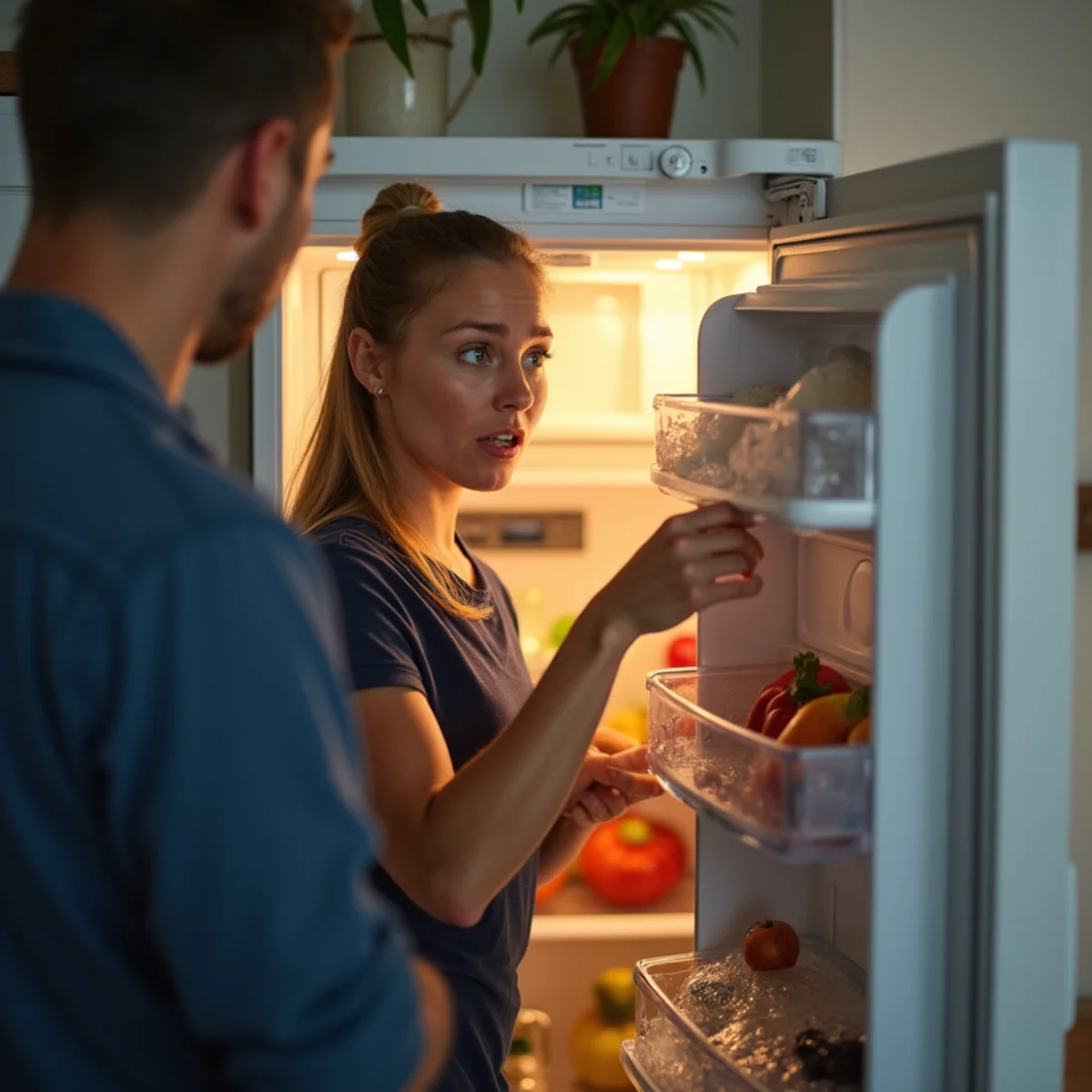
A warm refrigerator is a race against the clock. In our Louisiana heat, a fridge holding steady at 37 degrees can drift into the danger zone above 40 degrees within a few hours once cooling stops, and that puts meat, dairy, and leftovers at risk. Before you write off a cart of groceries, a handful of checks can tell you whether this is a five-minute fix or a service call.
Melvin repairs refrigerators, ranges, and other appliances alongside HVAC across Gonzales, Baker, and the wider Capital Region, and the causes below cover the majority of no-cooling calls.
Protect the food first
Keep the doors closed as much as possible. A full freezer holds temperature far longer than an empty one, so if the freezer is still cold, move the most perishable refrigerator items into it. Group refrigerator contents together so they help each other stay cool. If you have a cooler and ice, that is your backup for dairy and meat.
Food-safety rule
Perishable food held above 40 degrees for more than two hours should be discarded. When in doubt, throw it out. Saving a questionable chicken is not worth a foodborne illness.
Check power and settings
Confirm the unit is plugged in fully and that the outlet has power by testing it with something else. Refrigerators often share a circuit with a GFCI outlet that can trip. Check the breaker as well. Then verify the temperature dials were not bumped to a warmer setting by a child or during cleaning, which happens more often than you would think.
Feel for airflow and listen
Put your hand near the vents inside the fresh-food compartment. If the freezer is cold but the refrigerator is warm, the problem is often a failed evaporator fan or a defrost issue blocking airflow between the two sections. If nothing is cold and the unit is silent, the compressor or its start components may have failed.
Clean the condenser coils
This is the one fix that is squarely in homeowner territory and it solves a surprising number of calls. Dusty condenser coils, usually behind a kick plate at the bottom front or on the back, cannot shed heat, so the compressor runs hot and struggles to cool. Unplug the fridge, vacuum the coils and the condenser fan area, and give it a few hours to recover.
- Unplug the refrigerator before touching any coils or fan.
- Remove the front kick plate or pull the unit from the wall.
- Vacuum and brush the coils and the condenser fan clean.
- Restore power and check for cooling over the next few hours.
When it needs a technician
If the coils are clean, power is confirmed, and the fridge still will not cool, the likely culprits are a failed compressor, a bad start relay or capacitor, a stuck defrost timer, or a sealed-system refrigerant leak. Sealed-system work requires EPA-certified handling, and compressor diagnosis needs proper tools. A good appliance repair tech can tell you quickly whether a repair is worth it against the age and value of the unit.
Inside the sealed system: why a fridge stops getting cold
A refrigerator cools with the same refrigeration cycle as your air conditioner, just miniaturized. The compressor pushes refrigerant through the condenser coils to shed heat, a narrow capillary tube meters it into the evaporator inside the cabinet where it absorbs heat, and the cycle repeats. Two small parts cause a large share of the no-cooling calls we run around Gonzales and Baker. The first is the start relay, often a PTC device clipped to the side of the compressor. When it fails, the compressor cannot start, and you may hear a faint click and hum every few minutes as it tries and gives up. It is an inexpensive part when that is the only problem.
The second common failure lives in the automatic defrost system. Most refrigerators periodically warm the evaporator to melt frost, using a defrost heater controlled by a timer or an adaptive defrost board and protected by a bimetal thermostat. When any of those quit, frost slowly encases the evaporator until air can no longer move through it, and the freezer stays cold while the fresh-food side warms up. If you find a wall of frost behind the freezer's back panel, a defrost fault is the likely culprit rather than the sealed system itself.
The 40-degree, four-hour rule
Perishable food held above 40 degrees for more than two hours is a discard, and in a warm Louisiana kitchen that clock runs fast. Keep the doors shut and move essentials to a cold freezer or a cooler while you diagnose.
A quick homeowner triage before you call
Before you assume the worst, a short triage tells you whether this is a five-minute fix or a genuine service call. Work through it in order.
- Confirm the outlet has power and the fridge is not sharing a tripped GFCI or breaker
- Listen at the compressor for a click-and-hum cycle that never runs, a start-relay clue
- Pull the lower kick plate and vacuum dust off the condenser coils and fan
- Check for a frost wall behind the freezer back panel, a defrost-system clue
- Verify the interior vents between freezer and fridge are not blocked by packed food
- Give the unit a few hours after cleaning before deciding it needs a technician
There is one more test worth running before you resign yourself to a service call, and it costs nothing. With the fridge unplugged and the coils cleaned, pull the unit away from the wall and confirm the condenser fan spins freely by hand, since a fan seized by dust or a failed bearing lets the compressor overheat and shut down on its internal overload. While you are back there, look for a small puddle of oil under the compressor, which is a sign the sealed system has lost its charge and points squarely at professional repair. In our Gonzales and Baker kitchens, summer heat compounds every one of these problems, because a refrigerator fighting a 78-degree room works far harder than one in a cool northern basement. That is why the same fridge that limped along for years can suddenly quit in July. Knowing whether the fault is a cheap fan or relay versus a dead sealed system tells you immediately whether this is a repair worth making or a replacement worth planning.
Deciding whether this fridge is worth repairing
Once you know roughly what failed, the repair-or-replace question gets easier, and it usually comes down to the age of the unit weighed against the cost of the part. A common rule of thumb is the fifty-percent test: if a repair would cost more than half the price of a comparable new refrigerator, and the unit is past about eight years old, replacement is often the smarter money. A cheap part on a newer fridge is almost always worth fixing.
| Failed part | Repair outlook | Lean toward replacing when |
|---|---|---|
| Start relay or PTC device | Inexpensive and routine | Rarely; usually worth fixing |
| Evaporator or condenser fan | Moderate and worthwhile | Only on a very old unit |
| Door gasket | Cheap and DIY-friendly | Rarely; almost always fix it |
| Defrost heater or control board | Moderate; depends on age | Board cost approaches unit value |
| Sealed-system compressor | Expensive, EPA-certified work | Fridge is 8-plus years old |
There is one Louisiana wrinkle worth naming. Our heat and humidity age the electronic control boards faster than the mechanical parts, so on an older refrigerator in a hot Gonzales or Baker kitchen, a board failure is often the point where replacement wins even though the compressor is fine. Knowing which tier your failure falls into before a technician arrives lets you make a calm decision instead of a panicked one.
Keeping food safe while you diagnose or wait
While you work through the checks or wait for a technician, a little food-safety discipline protects hundreds of dollars of groceries. Keep both doors shut as much as humanly possible, because every opening dumps cold air and pulls warm, humid Gonzales or Baker kitchen air inside. A freezer packed full holds its temperature far longer than an empty one, so it becomes your best backup: move the most perishable refrigerator items into it, and consider filling empty freezer space with jugs of water to add thermal mass for next time.
Track the clock rather than guessing. Perishable food held above 40 degrees for more than two hours should be discarded, and in a warm Louisiana kitchen that window closes fast. An inexpensive appliance thermometer left in the fridge takes the guesswork out, letting you see at a glance whether the box is holding a safe temperature or drifting into the danger zone. When in doubt, throw it out, because a spoiled chicken is far cheaper than a foodborne illness that puts someone in the hospital.
Do not lose the whole fridge waiting
The longer a refrigerator sits warm, the more food you lose, so a fast diagnosis pays for itself. If your fridge has quit in Gonzales, Baker, or anywhere in the Baton Rouge area, call Geaux 72 at (831) 461-3437 and we will get your kitchen back in order.
Frequently Asked Questions
About four hours if you keep the doors closed. Anything perishable held above 40 degrees for more than two hours should be discarded. A full freezer holds temperature longer and can buffer refrigerator items.
That usually points to a failed evaporator fan or a defrost problem blocking cold air from reaching the fresh-food compartment. It is a common and often repairable fault worth a service call.
Yes. Dust-clogged condenser coils prevent the system from shedding heat, so the compressor overheats and cooling suffers. Unplug the unit and vacuum the coils. It is one of the most common fixable causes.
It depends on the age, the failed part, and the value of the unit. A start relay is a cheap fix, while a failed sealed-system compressor on an old fridge often is not. We give an honest assessment. Call (831) 461-3437.
A wall of frost behind the freezer back panel with a cold freezer but a warm fridge points to a defrost fault, which is usually repairable. A silent unit with both compartments warm, or an oil puddle under the compressor, points to the sealed system. Call (831) 461-3437 for a diagnosis.
Related services & areas
Service areas