Local
Why Baton Rouge Homes Battle Mold & Indoor Humidity
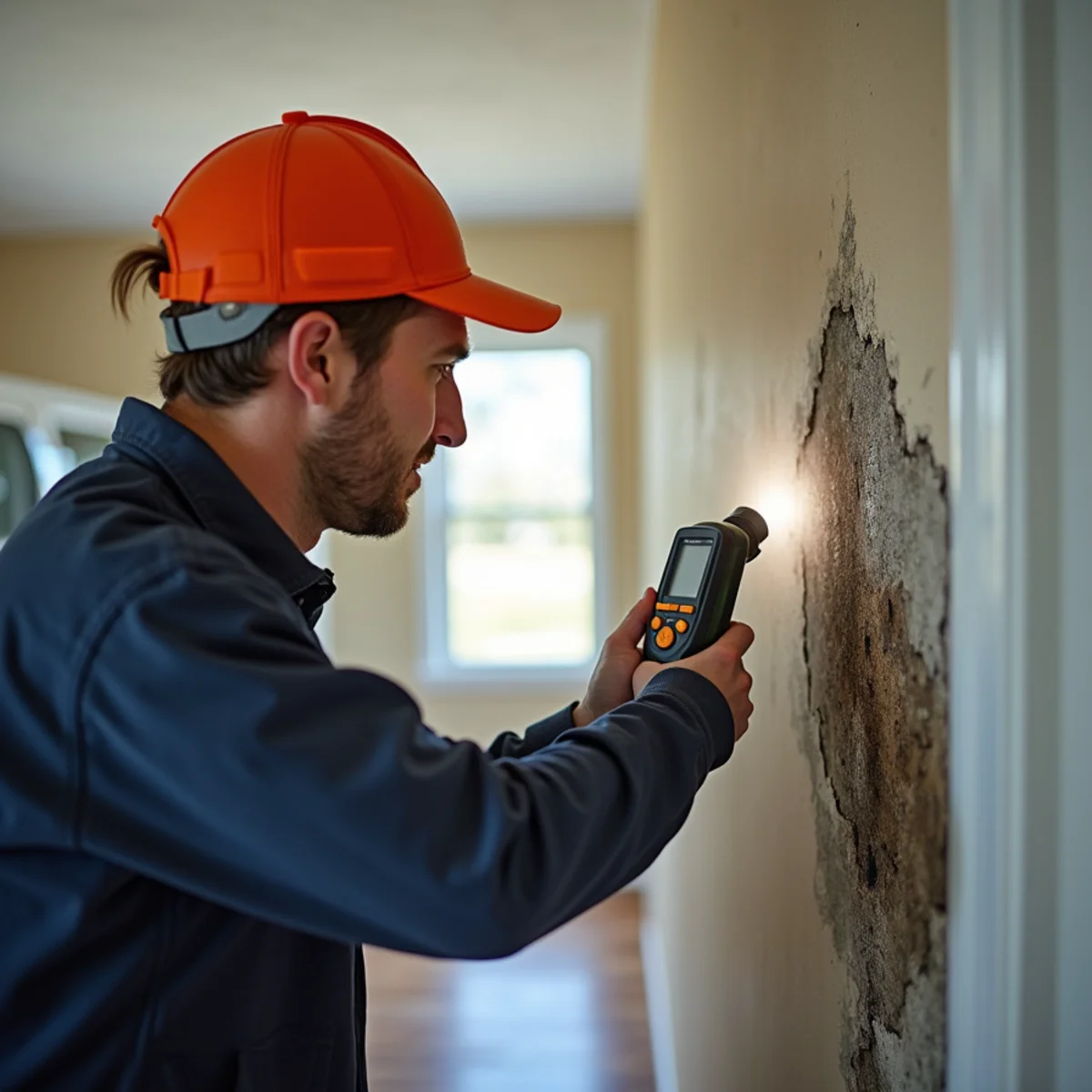
If you live in Baton Rouge, you have probably smelled it: that faint musty note when you walk into a closed-up room, or the spots that keep coming back on a bathroom ceiling or an exterior wall closet. Our climate makes mold a constant background threat, but a persistently musty, mold-prone home is usually a sign that something in the moisture balance is off, and much of that traces back to the HVAC system.
Melvin helps homeowners in Prairieville and Port Allen break the humidity-and-mold cycle by treating the cause, not just wiping the symptoms.
Why our climate feeds mold
Mold needs moisture, warmth, and organic material to grow, and Baton Rouge supplies the first two in abundance for much of the year. When indoor relative humidity climbs above 60 percent, the moisture in the air alone is enough to feed mold on drywall, wood, fabric, and dust, even without a visible water leak. Controlling indoor humidity is therefore the single most powerful mold-prevention lever you have.
The 60 percent line
Keep indoor relative humidity below 60 percent, ideally in the 45 to 55 percent comfort band, and most mold cannot get a foothold. A simple hygrometer lets you see where your home actually sits.
How HVAC problems drive the moisture
Several common system faults let humidity build up indoors, and each has a fix.
- An oversized AC that short-cycles cools the air but never runs long enough to dehumidify
- A clogged condensate drain that overflows and feeds mold at the air handler
- Leaky return ducts pulling humid attic or crawlspace air into the system
- Poor airflow from dirty coils or filters, reducing moisture removal
- No dedicated dehumidification during mild, muggy shoulder-season days
The condensate drain, a hidden mold factory
The condensate drain carries away the water your AC pulls from the air, and in our humidity it moves a lot of water. When that drain clogs with algae and biofilm, water backs up into the pan and the air handler, creating a warm, wet, dark environment that is a perfect mold incubator right inside your air system. Keeping that drain clear is one of the most important and overlooked pieces of mold prevention.
Duct leakage and attic air
In many Baton Rouge homes, the ductwork runs through a hot, humid attic. When return ducts leak, they draw that moisture-laden attic air into the system and distribute it through the house, raising indoor humidity and carrying whatever is growing up there along with it. Sealing the ducts keeps the system breathing your conditioned air instead of the attic's.
Building a mold-resistant home
- Right-size the AC so it runs long enough to dehumidify.
- Keep the condensate drain clear with regular maintenance.
- Seal leaky ducts so the system is not importing humid attic air.
- Add whole-home dehumidification for the muggy days the AC cannot cover.
- Change filters and keep coils clean for proper airflow and moisture removal.
Surface condensation and the hidden moisture paths
Humidity does not only float in the air; it condenses wherever a surface falls below the dew point, and in Baton Rouge that dew point stays high for months. A supply register blowing cold air onto a humid ceiling, an uninsulated closet on an exterior wall, or a cold spot from a thermal bridge in the framing can all sweat with condensation you never see until the mold appears. That is why mold sometimes shows up in a spot with no plumbing leak anywhere near it. Controlling the room's overall humidity is what keeps those cold surfaces from reaching the dew point in the first place.
Air pressure is the other hidden path. When bath fans, a range hood, and leaky return ducts pull more air out of the house than comes back in, the home goes slightly negative and makes up the difference by drawing humid outdoor and attic air through every gap in the envelope. That infiltrating air carries moisture straight into wall cavities and closets. Sealing return ducts, balancing the system, and in tight homes adding controlled fresh air through an energy recovery ventilator all cut off that path, which is a step beyond simply running the AC longer.
A realistic word on UV lights
UV lights installed at the coil can keep the coil and drain pan free of biofilm, which helps. They are not a whole-house mold cure, though. The moisture control has to come first; think of UV as coil hygiene, not a substitute for humidity management.
Layered defenses against a musty home
No single fix solves a persistently damp house. The homes that stay fresh in Prairieville and Port Allen stack several defenses together.
- Hold indoor humidity below 60 percent, ideally 45 to 55, verified with a hygrometer
- Right-size the AC so it runs long enough to dehumidify rather than short-cycling
- Keep the condensate drain clear so it does not breed mold at the air handler
- Seal return and supply ducts to stop humid attic air from entering the system
- Add a whole-home dehumidifier for the mild, muggy days the AC cannot cover
- Balance exhaust with controlled fresh air so the house is not pulling in humid air
If you are actively fighting mold right now, the order of operations matters. Remediating visible mold before you have fixed the moisture source is like bailing a boat without patching the hole, so the humidity control has to come first or run in parallel. Start by measuring: a cheap hygrometer in the mustiest room tells you whether you have a general humidity problem or a discrete leak, and where. If the number sits above 60 percent, the whole-house moisture balance is the target, which points back to AC sizing, the condensate drain, duct sealing, and possibly dedicated dehumidification. If the humidity reads fine but one spot keeps growing mold, you are likely looking at a localized cold surface or a hidden leak instead. In Prairieville and Port Allen, we often find both at once, a generally damp house with a few chronic cold-surface hot spots, and treating only one leaves the other to keep the problem alive. Solving mold for good in our climate is really about winning the moisture argument, room by room and surface by surface, not just scrubbing what you can see.
What each humidity level does in your home
Because indoor humidity is the lever that controls mold in our climate, it helps to see what different relative-humidity bands actually do to a Prairieville or Port Allen home. A cheap hygrometer in the mustiest room turns this from guesswork into a number you can act on, and the table below tells you what that number means.
| Relative humidity | What it means | What to do |
|---|---|---|
| Below 40 percent | Dry; rare here except in winter heat | Usually no action needed |
| 45 to 55 percent | The comfort and health sweet spot | Hold it here |
| 55 to 60 percent | Getting sticky, mold risk rising | Check AC runtime and the drain |
| Above 60 percent | Mold can feed on airborne moisture | Add dehumidification, seal ducts |
| Above 70 percent | Active mold and dust-mite territory | Diagnose the moisture source now |
If your hygrometer reads above 60 percent across the house, the target is the whole-house moisture balance, which points back to AC sizing, the condensate drain, duct sealing, and possibly dedicated dehumidification. If the number reads fine but one spot keeps growing mold, you are more likely looking at a localized cold surface or a hidden leak. In our climate we often find both at once, and treating only one leaves the other to keep the problem alive.
The right order to attack a musty house
If you are fighting mold right now in a Prairieville or Port Allen home, the order of operations decides whether your effort sticks. Remediating visible mold before you have fixed the moisture source is like bailing a boat without patching the hole, so humidity control has to come first or run in parallel with the cleanup. Start by measuring: a cheap hygrometer in the mustiest room tells you whether you have a general humidity problem or a discrete leak, and where. That single number aims everything that follows.
From there the path forks. If the reading sits above 60 percent, the whole-house moisture balance is the target, which points back to AC sizing, the condensate drain, duct sealing, and possibly dedicated dehumidification. If the humidity reads fine but one spot keeps growing mold, you are likely looking at a localized cold surface or a hidden leak instead, and the fix is local. We often find both at once, a generally damp house with a few chronic hot spots, so treating only one leaves the other alive. Solving mold for good in our climate is really about winning the moisture argument, room by room and surface by surface.
Break the cycle for good
Scrubbing mold without fixing the moisture just guarantees it comes back. Treating the humidity at its HVAC source is what keeps a Louisiana home healthy and fresh. For humidity control, duct sealing, and indoor air quality solutions in Prairieville, Port Allen, and across Baton Rouge, call Geaux 72 at (831) 461-3437.
Frequently Asked Questions
Keep indoor relative humidity below 60 percent, ideally 45 to 55 percent. Above 60 percent, airborne moisture alone can feed mold on drywall, wood, and dust, even without a visible leak. A hygrometer helps you monitor it.
Yes, indirectly. An oversized AC that short-cycles fails to dehumidify, a clogged condensate drain breeds mold at the air handler, and leaky ducts import humid attic air. Fixing these controls the moisture that mold needs.
The drain removes the water your AC pulls from the air. When it clogs, water backs up into the air handler, creating a warm, wet spot that is an ideal mold incubator inside your air system. Keep it clear with maintenance.
Treat the moisture source, not just the visible mold. Right-size the AC, seal ducts, keep the drain clear, and add dehumidification. We diagnose and fix the humidity cause. Call (831) 461-3437.
A cheap hygrometer placed in the mustiest room tells you whether you have a general humidity problem, above 60 percent, or a discrete leak while the overall number reads fine. That single reading points you toward whole-house moisture control or a localized fix. Call (831) 461-3437 for help interpreting it.
Related services & areas
Service areas