Local
Rebuilding After the Flood: HVAC & Ductwork Tips
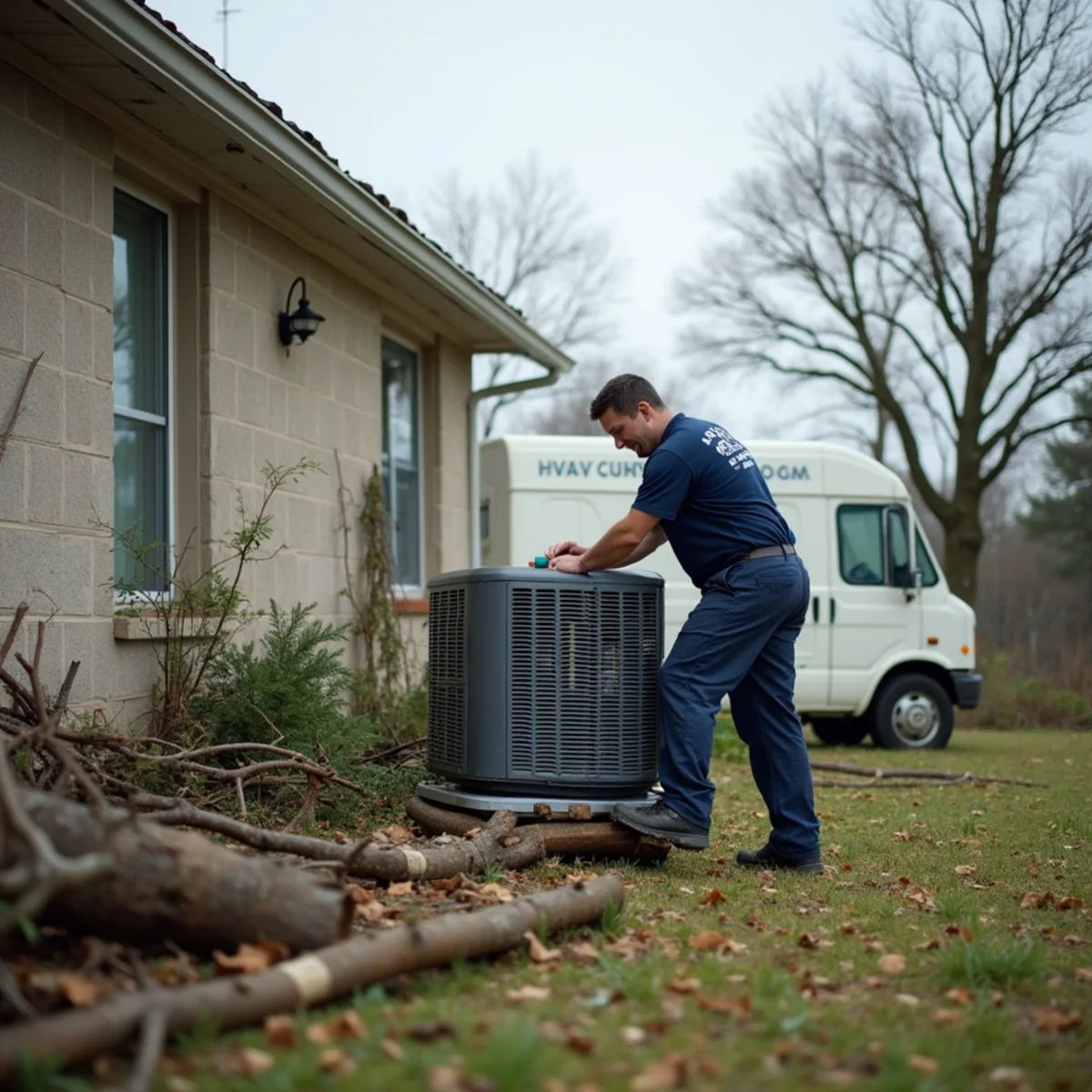
Livingston Parish and the communities around Denham Springs know flooding all too well. When the water finally recedes, the visible damage is only part of the story. HVAC equipment and ductwork that sat in flood water carry hidden hazards, from corrosion to trapped contamination, that make a simple dry-out dangerous. Rebuilding the right way protects your health and your investment.
Melvin has helped families rebuild after floods across the Capital Region, and the guidance below reflects what actually keeps a rebuilt system safe and reliable.
Why you cannot just dry it out
Flood water, especially the muddy, contaminated surge and backup water common in our floods, does not just make things wet. It deposits silt, bacteria, and chemicals into every crevice. Electrical components corrode. Insulation inside equipment and ducts absorbs contaminated water and becomes a permanent reservoir for mold. Drying the surface does nothing about what is trapped inside.
The health stakes
Contaminated flood water in ductwork can seed mold and bacteria that then circulate through every room whenever the system runs. This is not a cosmetic issue. It is a genuine indoor-air-quality and health hazard that professional standards say to remediate, not paper over.
What generally must be replaced
Industry guidance from the EPA and duct-cleaning standards is clear that porous, insulated components soaked by flood water cannot be reliably cleaned and should be replaced.
- Flexible ductwork and any duct with interior fiberglass insulation that got wet
- Furnace and air handler insulation, blower components, and controls that were submerged
- Any electrical component, motor, or control board touched by flood water
- Filters, and often the evaporator coil if silt fouled it
What can sometimes be saved
Not everything is a total loss. Bare sheet-metal ductwork with no interior insulation can sometimes be cleaned and sanitized if it was only briefly exposed and thoroughly dried. Some outdoor condenser components may be salvageable if the water was clean and shallow, though surge water is rarely either. A qualified technician makes the call component by component rather than condemning or saving everything wholesale.
Design the rebuild for next time
A rebuild is a chance to reduce your risk in the next flood. Relocating the air handler and ductwork higher, elevating the outdoor condenser above the flood line, and choosing duct materials and layouts that are easier to inspect and dry can all pay off. If your home floods repeatedly, building resilience into the new system beats replacing it again after the next event.
Coordinate with your insurance
Document everything before removal, including the flood line on the equipment and the model and serial plates. A written technician assessment of what the flood damaged supports your claim. Flood damage typically falls under separate flood insurance rather than a standard homeowners policy, so know which coverage applies before the rebuild begins.
Category 3 water and why the standards say replace, not clean
Restoration professionals classify water by how contaminated it is, and flood water is almost always Category 3, the grossly contaminated class often called black water because it can carry sewage, chemicals, and bacteria. That classification drives the whole rebuild. Porous and semi-porous materials soaked by Category 3 water, including duct insulation, flexible duct, and the insulation inside an air handler, are considered unsalvageable under industry guidance because they cannot be reliably cleaned and disinfected. Duct-cleaning standards from NADCA make the same point: you clean bare metal, you replace porous liners. This is why a Denham Springs family cannot simply dry out a flooded furnace and move on.
A rebuild is also the moment to design against the next flood, and code often requires it. In a mapped flood zone, mechanical equipment should be elevated above the base flood elevation, whether that means raising the outdoor condenser on a taller pad or relocating the air handler out of a low, flood-prone closet or crawlspace. Where equipment stays in an enclosed area below that level, flood vents and flood-resistant placement come into play. Building to those elevations is not just paperwork; it is what keeps you from tearing the system out again after the next event in Livingston Parish.
Protect your health during demolition
Contaminated duct liner and wet insulation can release mold and bacteria as they are removed. Treat flood-soaked HVAC components as a health hazard, not just water damage, and let them be handled and disposed of properly.
A rebuild sequence that satisfies inspection and insurance
Doing the rebuild in the right order protects both your claim and your family's health. This is the sequence we follow across the Capital Region.
- Document the flood line, debris, and data plates before anything is removed
- Remove and dispose of porous, contaminated components: flex duct, insulation, soaked controls
- Assess bare sheet-metal duct for cleaning and sanitizing versus replacement
- Elevate the condenser and, where possible, the air handler above the base flood elevation
- Install new matched equipment and duct, then pull a vacuum and charge to spec
- Pass the permit inspection and submit the written assessment to your flood insurer
Timing is its own hazard after a flood, because the pressure to get cooling back fast pushes people into shortcuts that cost more later. A system rushed back online with contaminated duct still in place will circulate mold spores through every room the moment it runs, turning a water problem into an air-quality problem that lingers for months. It is worth living with fans and portable cooling for a little longer to let the rebuild be done correctly, with porous components replaced and the system properly evacuated and charged. Coordinating the HVAC rebuild with the rest of the home's restoration also matters, since new ductwork should go in before walls and ceilings are closed up, and the condenser elevation should be set while the crew and equipment are already on site. In Denham Springs and Central, where whole neighborhoods rebuild at once and contractors are stretched thin, planning the sequence early gets your system done right rather than done twice. A flood rebuild is a hard moment, but it is also the one chance to make the next flood less devastating.
Replace or clean: a flood-damage reference
The single most useful thing a Denham Springs or Central homeowner can carry into a flood rebuild is a clear sense of what porous materials must go and what bare metal can sometimes be saved. Industry guidance keys off the contamination class of the water, and flood water is almost always the grossly contaminated Category 3 class. The table below turns that principle into a component-by-component reference for the rebuild conversation.
| Component | Usual verdict | Why |
|---|---|---|
| Flexible or insulated ductwork | Replace | Porous liner holds contamination |
| Air handler insulation and blower | Replace if submerged | Cannot be reliably disinfected |
| Electrical controls and boards | Replace | Silt and salt keep corroding |
| Bare sheet-metal duct | Sometimes clean and sanitize | Non-porous if briefly exposed and dried |
| Evaporator coil | Often replace if silt-fouled | Fouling degrades performance |
The rebuild is also the moment to build against the next flood, and code often requires it in a mapped flood zone. Elevating the condenser on a taller pad and relocating the air handler out of a low, flood-prone closet or crawlspace is what keeps you from tearing the system out again after the next event in Livingston Parish. Doing it while the crew and equipment are already on site is far cheaper than revisiting it later.
Sequencing the rebuild with the rest of the house
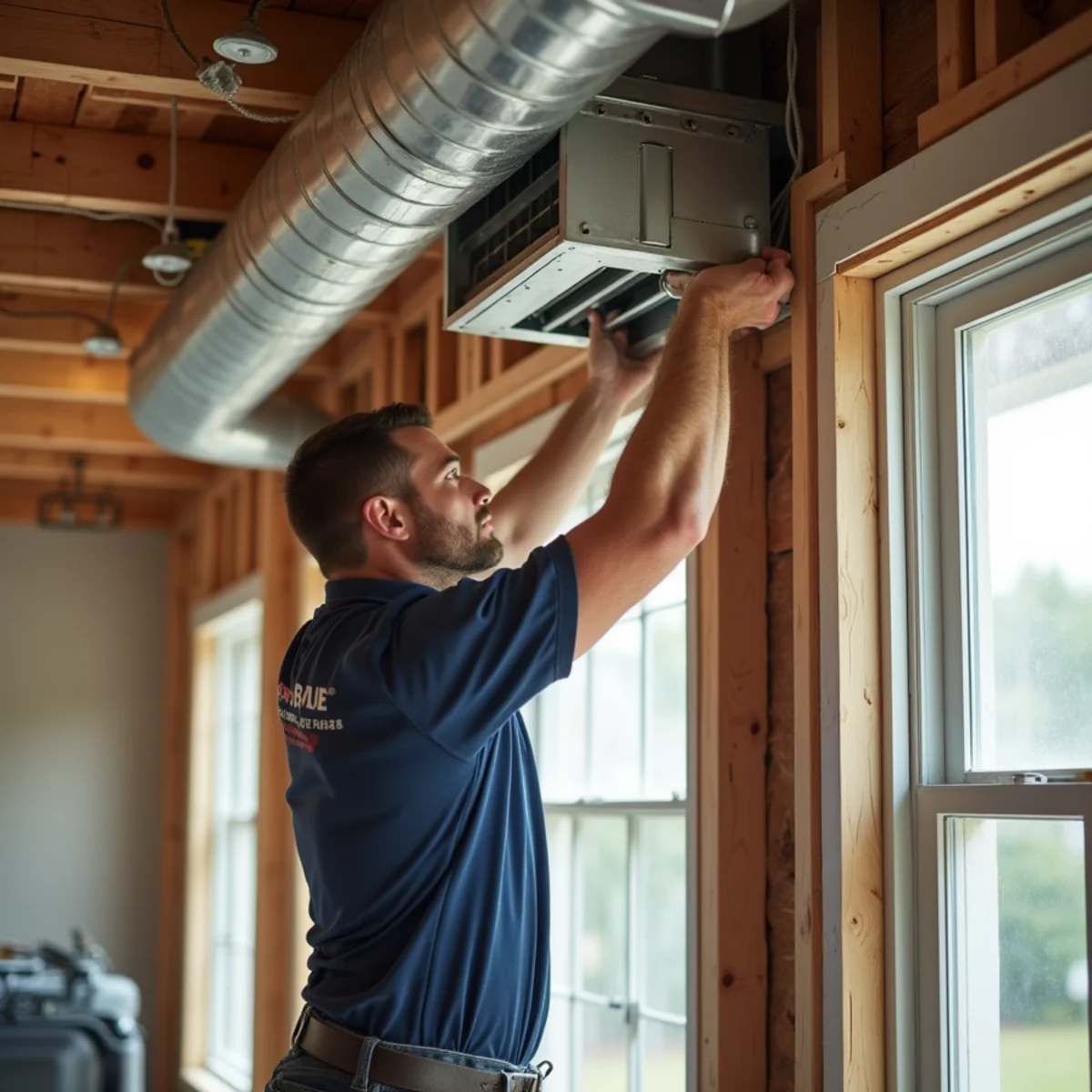
A flood rebuild rarely happens in isolation; the HVAC work has to be coordinated with the drywall, flooring, and electrical restoration going on at the same time across a Denham Springs or Central home. Getting the order right saves money and prevents doing the same work twice. New ductwork should go in before walls and ceilings are closed up, and the condenser elevation should be set while the crew and equipment are already on site. When these steps are scheduled around each other rather than in isolation, the whole rebuild moves faster and the finished result is cleaner and easier to inspect.
The hardest discipline after a flood is resisting the pressure to rush cold air back before the rebuild is done correctly. A system brought back online with contaminated duct still in place will circulate mold spores through every room the moment it runs, turning a water problem into a lingering air-quality problem. It is worth living with fans and portable cooling a little longer to let porous components be replaced and the system properly evacuated and charged. In neighborhoods where everyone is rebuilding at once and contractors are stretched thin, planning the sequence early is what gets your system done right rather than done twice.
Do the ducts before the walls close
Once drywall and ceilings go back up, replacing flood-soaked ductwork means tearing them out again. Sequence the HVAC rebuild ahead of the finish work so new duct and elevated equipment go in while everything is still open.
Rebuild it right the first time
Cutting corners on flood-damaged HVAC leads to mold, odors, and repeat failures that cost far more than doing it right. For flood recovery, ductwork replacement, and system rebuilds in Denham Springs, Central, and across the region, call Geaux 72 at (831) 461-3437.
Frequently Asked Questions
Insulated or flexible ductwork soaked by flood water cannot be reliably cleaned and should be replaced. Bare sheet-metal duct with no interior insulation can sometimes be cleaned and sanitized if briefly exposed and fully dried.
Flood water deposits silt, bacteria, and contamination into insulation and components that surface drying cannot remove. Trapped moisture breeds mold and corroded electrical parts fail. Affected components should be replaced.
Flood damage typically falls under separate flood insurance, not a standard homeowners policy. Document the flood line and data plates and get a written technician assessment to support your claim.
Yes. Elevating the condenser and air handler above the flood line and choosing inspectable duct layouts reduce risk in the next flood. We design resilient rebuilds. Call (831) 461-3437.
Flood water is almost always Category 3, grossly contaminated water, and porous materials like duct insulation and flex duct cannot be reliably cleaned and disinfected once soaked. Bare sheet metal can sometimes be cleaned, but the liners and insulation should be replaced. Call (831) 461-3437 for a rebuild assessment.
Related services & areas
Service areas