Local
Generators & AC: Staying Cool During Louisiana Power Outages
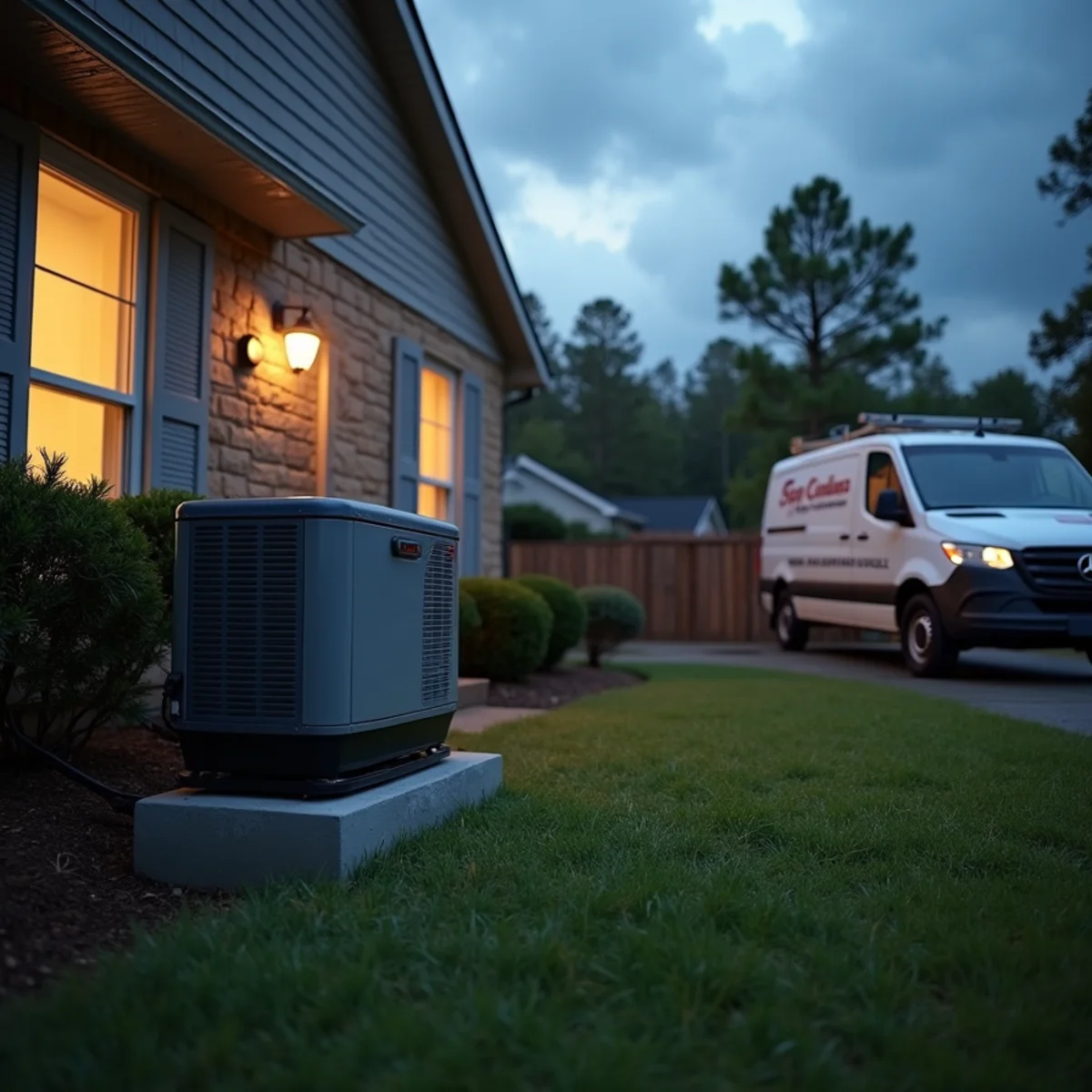
In Louisiana, a summer power outage is not just an inconvenience, it is a heat emergency. When a storm knocks out the grid for days, keeping the air conditioner running can mean the difference between riding it out at home and evacuating to find air conditioning. But powering a central AC from a generator is not as simple as running an extension cord, and getting it wrong can be dangerous or fry your equipment.
Melvin fields these questions every storm season from homeowners in Slidell, LaPlace, and across the region, and here is what actually matters.
Why your AC is a tough load
A central air conditioner is one of the largest electrical loads in a home, and the compressor draws a big surge of current the instant it starts, often several times its running load. A generator has to handle both the steady running watts and that startup surge, or it will stall or trip. This is why a small portable generator that runs your fridge and some lights cannot start a three-ton condenser without help.
Never backfeed your panel
Plugging a generator into a wall outlet to power your house, called backfeeding, is extremely dangerous. It can electrocute utility workers and start fires. Always use a proper transfer switch or interlock installed to code.
Sizing the generator to the job
Matching a generator to your cooling needs takes real numbers, not guesswork. The right size depends on your AC's running and starting requirements plus whatever else you want to power.
- Check the AC data plate for the running load and the locked-rotor (startup) amps
- Add the loads of everything else you need, like the fridge, fans, and lights
- Ensure the generator's surge capacity covers the compressor startup
- Consider a soft-start device, which cuts the AC's startup surge dramatically
The soft-start game changer
A soft-start device, installed at the condenser, ramps the compressor up gently instead of slamming it on, cutting the startup surge by a large margin. That often means a smaller, cheaper, quieter generator can run a central AC that otherwise would need a much larger unit. For homeowners who want outage cooling without a whole-home standby generator, a soft-start is frequently the key that makes it work.
Portable versus standby
A portable generator with a transfer switch and a soft-start can keep essential circuits and often the AC running, but it needs refueling and manual setup. A permanently installed standby generator, wired through an automatic transfer switch and typically fueled by natural gas or a large propane tank, starts itself within seconds of an outage and can run the whole home indefinitely. It is a bigger investment but a far more reliable answer for a household that cannot tolerate days without cooling.
Getting the hookup right
The transfer switch and any generator connection to your HVAC and panel must be installed to code by qualified professionals. We coordinate the HVAC side, including confirming your system's electrical requirements and adding a soft-start when it makes sense, so your cooling comes back safely when the grid does not. Cutting corners here risks lives and equipment.
Running the numbers: LRA, running watts, and clean power
Sizing a generator to an air conditioner comes down to two figures on the condenser data plate. The rated load amps, or RLA, describe the steady current the compressor draws while running, while the locked-rotor amps, or LRA, describe the surge it pulls in the instant it starts, which can be five or six times the running draw. Multiply amps by voltage to get watts, and you quickly see why a small portable that easily covers a fridge and lights stalls the moment a three-ton condenser tries to start. The generator has to cover both the running watts of everything you want on and the brief startup surge of that compressor, or it trips.
Fuel and power quality round out the decision. A gasoline portable is cheap but needs constant refueling during a multi-day Slidell or LaPlace outage, while a standby unit on natural gas or a large propane tank runs on with far less babysitting. Power quality matters more than people expect, too: the sensitive control boards in variable-speed and communicating HVAC systems prefer clean power with low total harmonic distortion, which inverter generators deliver and cheaper open-frame units may not. Feeding a modern system dirty power can damage exactly the electronics that are expensive to replace.
Clean power for modern boards
If your system has a variable-speed blower or a communicating thermostat, favor an inverter generator with low harmonic distortion. The startup surge is not the only risk to those boards; ragged power is too.
A generator readiness checklist for outage cooling
Whether you go portable or standby, a little groundwork before the season decides whether cooling actually comes back when the grid does not.
- Read the condenser data plate for RLA and LRA and convert them to watts
- Add the running watts of the other loads you need, like the fridge, fans, and lights
- Confirm the generator's surge capacity covers the compressor's locked-rotor starting draw
- Add a soft-start to the condenser to cut that surge and allow a smaller generator
- Install a proper transfer switch or interlock to code, never a backfed outlet
- Choose an inverter or low-distortion unit if the system has variable-speed electronics
Safety deserves the last word here, because generator accidents spike after every Louisiana storm. A portable generator must run outdoors, well away from windows and doors, never in a garage or under a carport, because its exhaust carries carbon monoxide that has killed people sheltering from storms in this state. Refueling should happen only with the engine off and cool, and the unit needs to be kept dry, which is its own challenge in the rainy aftermath of a hurricane. On the electrical side, the single most important rule bears repeating: the connection to your home must go through a transfer switch or interlock installed by a qualified electrician, never a cord backfeeding an outlet. In Slidell and LaPlace, where outages can stretch for days, the households that stay both cool and safe are the ones that treated the generator setup as a permanent, code-compliant part of the home rather than an improvised fix during the emergency. Plan and install it correctly before the season, and the generator becomes an asset instead of a hazard when the grid finally goes down.
Choosing your outage cooling setup
The right generator answer depends on how much you need to run, how long Slidell and LaPlace outages tend to last for you, and how much hands-on management you can tolerate during a storm recovery. Laying the two main paths side by side makes the tradeoffs concrete, so you can decide before the season rather than during the emergency.
| Factor | Portable plus soft-start | Standby generator |
|---|---|---|
| Startup during an outage | Manual setup and refueling | Automatic within seconds |
| Runtime | Needs regular refueling | Runs on gas or a large propane tank |
| What it can power | Essentials and often the AC | Often the whole home |
| Power quality | Best with an inverter unit | Clean, steady output |
| Cost and install | Lower up-front cost | Higher investment, wired in |
Whichever path you choose, two rules do not bend: the connection to your home must go through a transfer switch or interlock installed to code, never a backfed outlet, and a portable must always run outdoors, well away from windows and doors, because its exhaust carries carbon monoxide. The households that stay both cool and safe are the ones that treated the setup as a permanent, code-compliant part of the home before the grid ever went down.
Carbon monoxide and the safety rules that come first
Generator accidents spike after every Louisiana storm, and almost all of them are preventable, so the safety rules deserve as much attention as the sizing math. A portable generator must run outdoors, well away from windows and doors, and never in a garage or under a carport, because its exhaust carries carbon monoxide that has killed people sheltering from storms in this state. The gas is colorless and odorless, so a working carbon monoxide alarm inside the home is not optional when a generator is running nearby in Slidell or LaPlace.
The rest of the rules are just as concrete. Refuel only with the engine off and cool, since spilled fuel on a hot engine is a fire risk, and keep the unit dry, which is its own challenge in the rainy aftermath of a hurricane. On the electrical side, the connection to your home must go through a transfer switch or interlock installed by a qualified electrician, never a cord backfeeding an outlet, because backfeeding can electrocute a lineworker restoring your street. Treating the generator as a permanent, code-compliant part of the home rather than an improvised fix is what keeps it an asset instead of a hazard.
Be ready before the next outage
The time to plan generator cooling is before the storm, not during the outage. For help sizing a generator to your AC, adding a soft-start, or preparing your system for outages in Slidell, LaPlace, and around Baton Rouge, call Geaux 72 at (831) 461-3437.
Frequently Asked Questions
Sometimes, if it has enough surge capacity for the compressor startup and you use a proper transfer switch. A soft-start device often makes a smaller generator capable of running a central AC that otherwise could not.
It ramps the compressor up gently instead of slamming it on, cutting the large startup current surge. That lets a smaller, cheaper generator run a central AC and reduces electrical stress on the system.
No. Backfeeding through an outlet is extremely dangerous. It can electrocute utility workers and cause fires. Always use a transfer switch or interlock installed to code by qualified professionals.
A portable with a transfer switch and soft-start can cover essentials and often the AC but needs refueling. A standby generator starts automatically and can run the whole home. We help you choose. Call (831) 461-3437.
If your system has a variable-speed blower or a communicating thermostat, favor an inverter generator with low harmonic distortion. Those sensitive control boards can be damaged by the ragged power some cheaper open-frame units produce, not just by the startup surge. Call (831) 461-3437 for guidance.
Related services & areas
Services
Service areas