Cost & Insurance
Does Home Insurance Cover Storm HVAC Damage in Louisiana?
After a major storm rolls through Livingston Parish or the wider Capital Region, one of the first questions homeowners ask is whether insurance will cover the HVAC system that took the hit. The honest answer is that it depends on your policy and, critically, on how the damage occurred. Understanding the distinction ahead of time helps you file a stronger claim and avoid surprises.
We are not insurance adjusters, and nothing here is a coverage guarantee. But Melvin has helped Denham Springs and Walker homeowners document storm HVAC damage since 2020, and the patterns below come up in almost every claim.
Wind damage versus flood damage
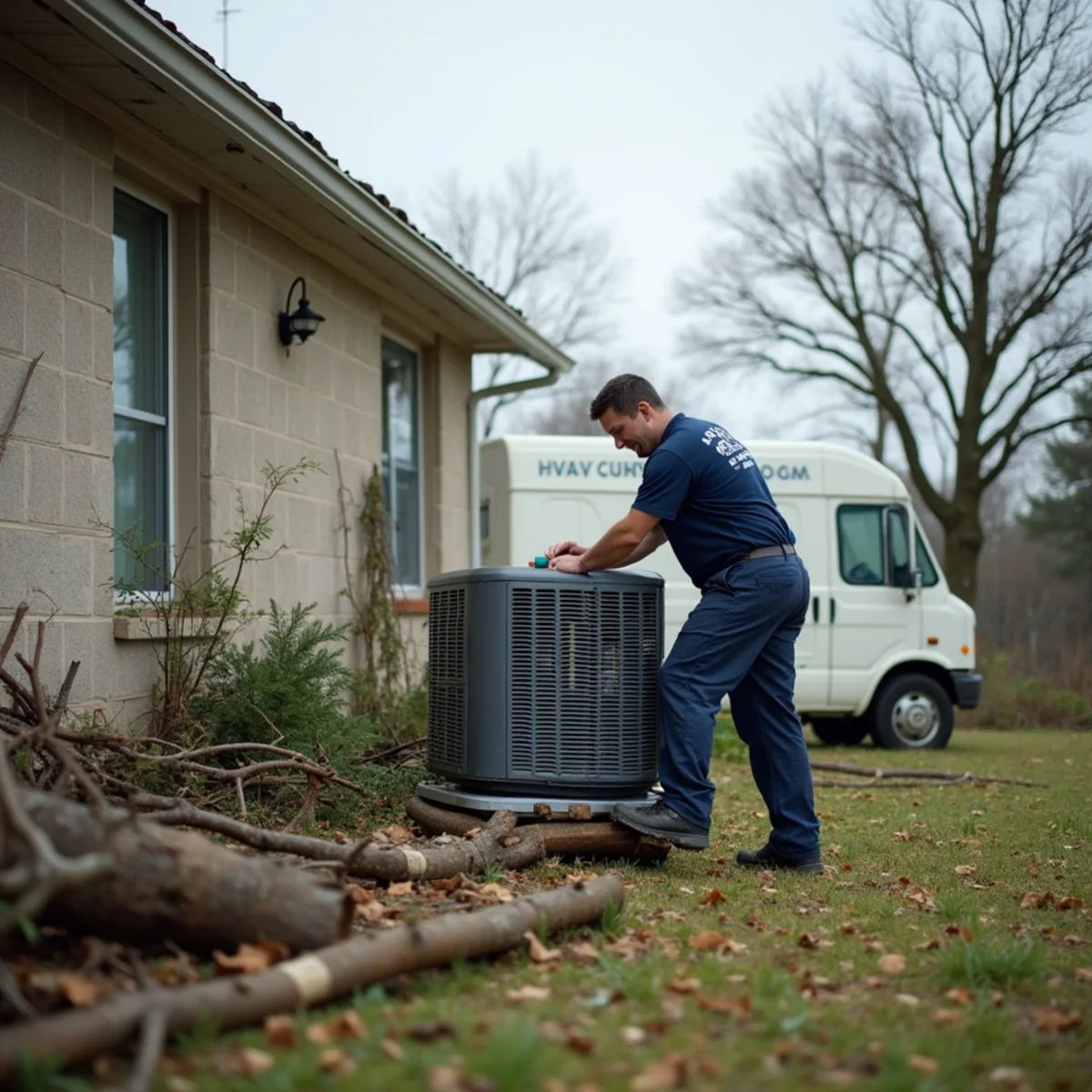
This distinction drives everything. Standard homeowners policies typically cover wind-driven damage, so a condenser hit by flying debris or lifted by hurricane-force gusts often falls under your dwelling or other-structures coverage. Flood damage, however, is generally excluded from standard policies and is only covered if you carry separate flood insurance. A condenser that sat in surge water is usually a flood claim, not a wind claim.
Know your two deductibles
Many Louisiana policies carry a separate, higher hurricane or named-storm deductible on top of your standard deductible. Check both before you assume a claim is worthwhile, especially for a single component.
What documentation adjusters want
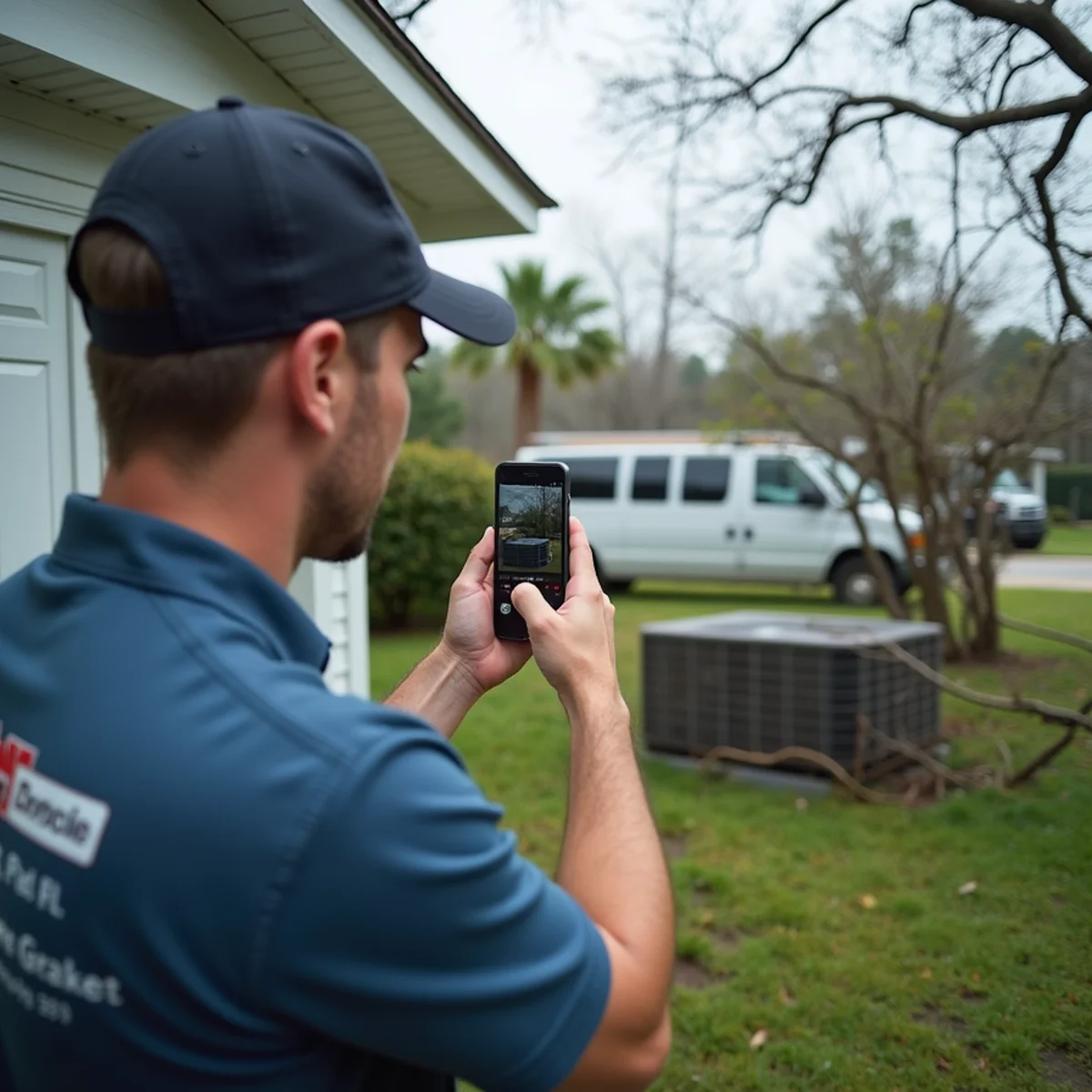
A claim succeeds or fails on evidence. The stronger your before-and-after picture, the smoother the process. Gather this before cleanup changes the scene.
- Dated photos of the damage, debris, and any flood water line on the equipment
- Clear shots of the model and serial number plates
- Records showing the system worked before the storm, such as a recent tune-up invoice
- A written technician assessment of the cause and extent of damage
- Your policy pages showing coverage and deductibles
How a contractor supports your claim
Adjusters rely on a qualified technician to establish what failed and why. A storm HVAC repair specialist can document whether the compressor took a surge, whether debris crushed the condenser coil, or whether surge water corroded the electrical components. That professional report, tied to the storm date, is often the difference between an approved and a denied claim.
Repair, replacement, and depreciation
Policies pay either actual cash value, which subtracts depreciation for the age of the equipment, or replacement cost, which pays to replace it new. An eight-year-old condenser on an actual-cash-value policy may pay out far less than you expect. Knowing which type you carry helps you plan whether you will owe money out of pocket toward a replacement.
Avoid these common claim mistakes
- Do not clean up or discard the damaged unit before it is documented and inspected.
- Do not run a flooded system, which can cause new damage the insurer may exclude.
- Do not accept a verbal cause of loss; get the technician assessment in writing.
- Do not miss the filing deadline in your policy after a named storm.
Recoverable depreciation and how a payout actually arrives
Homeowners are often surprised that a replacement-cost policy does not hand over the full replacement amount up front. On most replacement-cost value policies, the insurer first pays the actual cash value, the depreciated worth of the old equipment, and holds back the rest as recoverable depreciation. You collect that remaining amount after the work is done and you submit the final invoice showing what you actually spent. That structure means you may need to front some of the replacement cost and recover it, so it pays to understand your policy language before the Livingston Parish adjuster ever knocks.
Two other provisions matter for HVAC. First, when only the outdoor condenser is damaged, some policies address matching, since a new condenser may not pair correctly with an older indoor coil, which can support replacing both as a system rather than half of it. Second, many policies include ordinance-or-law coverage, which can pay for code-required upgrades triggered by the repair, such as a new disconnect, a surge device, or an elevated condenser pad required in a flood-prone area. Ask your adjuster specifically about both, because they are easy to overlook and worth real money.
Keep every receipt and the old parts
Do not discard the damaged equipment or your invoices until the claim fully closes. Recoverable depreciation is paid against proof of the completed work, and adjusters may want to see the failed parts before releasing the final payment.
Working the claim without leaving money on the table
A methodical approach to the claim protects your payout. These steps reflect what we see work for Denham Springs and Walker homeowners after a named storm.
- Read your declarations page for ACV versus RCV, deductibles, and any ordinance-or-law coverage
- Document the damage and the cause with a written technician assessment tied to the storm date
- Ask the adjuster directly about matching and code-upgrade coverage for the HVAC system
- Get an itemized repair-or-replace estimate you can submit alongside the claim
- Complete the approved work and submit the final invoice to release recoverable depreciation
- Keep copies of every photo, report, and receipt until the claim is fully closed
It also helps to understand how adjusters think about causation, because that is where many HVAC claims stall. An adjuster has to separate storm damage from pre-existing wear, so a condenser that was already rusted and struggling before the storm invites a partial denial on the grounds of prior condition. This is exactly why a recent maintenance invoice showing the system was healthy is such powerful evidence, and why a vague verbal explanation of the loss is not enough. A written technician assessment that names the specific storm-caused failure, whether it is debris impact on the coil, a surge that took out the control board, or surge water in the compressor, ties the damage to the event and the date. In Livingston Parish, where wind and flood events often arrive together, that clarity matters even more, because the same storm can produce both a covered wind claim and an excluded flood claim on the same property. Getting the cause documented precisely protects the part of your loss that your policy actually covers.
Wind, flood, or surge: matching the damage to the right coverage
Because the cause of loss decides which policy pays, it helps to picture the common storm scenarios and where each typically lands. A standard homeowners policy generally answers for wind-driven damage, while surge and rising water fall to separate flood insurance, and the two often arrive in the same storm across Livingston Parish. Naming the cause precisely, in writing, is what protects the covered portion of your loss.
| What happened | Usual coverage path | Document this |
|---|---|---|
| Debris crushed the condenser coil | Homeowners wind coverage | Debris in place, bent fins, data plate |
| Gusts lifted or shifted the unit | Homeowners wind coverage | Displaced unit, snapped line set |
| Surge water submerged the condenser | Separate flood insurance | Water line on the unit, silt marks |
| Grid surge fried the control board | Often homeowners; ask the adjuster | Failed board, technician assessment |
| Both wind and flood hit the system | Split claim across both policies | Photos separating each cause |
When wind and flood combine on the same property, adjusters work hard to attribute damage to the excluded flood side, so the burden falls on you to show what the wind did before the water arrived. A written technician assessment that separates a debris-crushed coil from surge-soaked electrical is what preserves the covered part of a mixed-cause loss.
Working with your adjuster without leaving money behind
Once a claim is open, the way you interact with the adjuster shapes the payout as much as the damage itself. Adjusters handle a flood of claims after a Livingston Parish storm, so the homeowner who arrives organized, with dated photos, data-plate shots, a recent maintenance invoice, and a written technician assessment, makes it easy to approve the covered loss. Vague verbal descriptions of what failed invite partial denials on the grounds of pre-existing wear, which is exactly the trap a precise, storm-dated report is built to avoid.
Two provisions are worth raising directly, because adjusters do not always volunteer them. Ask whether your policy addresses matching, since a new outdoor condenser may not pair correctly with an older indoor coil and that can support replacing both as a system. Ask, too, about ordinance-or-law coverage, which can pay for code-required upgrades triggered by the repair, such as a new disconnect, a surge device, or an elevated pad in a flood-prone area. Both are easy to overlook and can be worth real money on a Denham Springs or Walker claim.
Do not sign a scope you do not understand
An adjuster's scope of loss is a starting point, not the last word. If the estimate leaves out a component your technician documented as storm-damaged, say so in writing before you agree, so the covered items are not quietly dropped.
Get the documentation done right
The cleaner your documentation, the better your odds of a fair payout. If a storm damaged the HVAC at your Denham Springs or Walker home, call Geaux 72 at (831) 461-3437. We will assess the system, document the cause and extent of the damage for your adjuster, and lay out your repair or replacement options.
Frequently Asked Questions
Wind-driven damage, such as debris impact or a unit lifted by gusts, is often covered. Flood or surge-water damage is generally excluded unless you carry separate flood insurance. The cause of loss determines coverage.
Many Louisiana policies apply a separate, higher deductible for named storms or hurricanes, on top of the standard deductible. Check both amounts before filing, since a single-component claim may not exceed them.
A technician documents what failed and why, ties it to the storm date, and provides a written assessment adjusters rely on. That report often decides whether a claim is approved. We provide this documentation.
It depends on the damage, your policy type, and depreciation. Actual-cash-value policies pay less on older equipment than replacement-cost policies. We help you weigh the options. Call (831) 461-3437.
Actual cash value pays the depreciated worth of your old equipment, so an aging system pays out less. Replacement cost value pays to replace it new, though insurers often hold back recoverable depreciation until the work is done and invoiced. Check your declarations page, and call (831) 461-3437 for documentation help.
Related services & areas
Services
Service areas