Problem-solving
7 Signs Your AC Is Low on Refrigerant
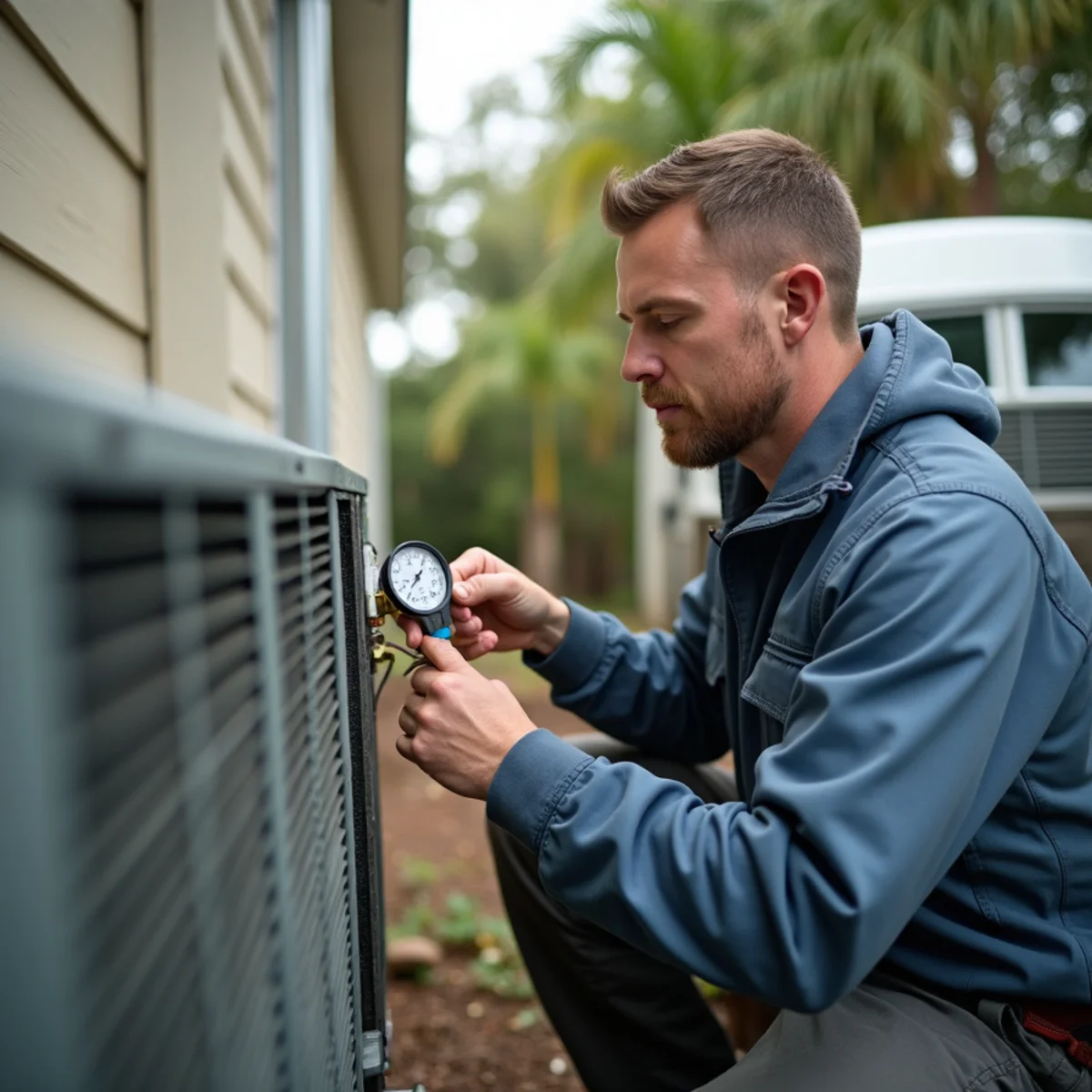
Here is the fact that surprises most homeowners: an air conditioner does not consume refrigerant the way a car burns gas. The charge is sealed in a closed loop and should never drop. So if your system is low, it is leaking somewhere, and adding more without finding the leak is treating a symptom. Recognizing the signs early, though, can save the compressor and lower your bills.
Melvin sees these symptoms constantly across Gonzales and Prairieville, especially on systems a decade or more old where line-set fittings and coils develop pinhole leaks. Here are the seven signs worth watching for.

1. Weak or warm airflow
If the air from your vents feels lukewarm even though the system is running hard, low refrigerant is a prime suspect. With less refrigerant to absorb heat, the system simply cannot cool the air to the temperature it should.

2. Longer runtimes and higher bills
A short-charged system runs and runs trying to hit the setpoint, sometimes never reaching it on the hottest afternoons. In our climate, with cooling loads already high, that translates directly into a noticeably larger power bill month over month.
3. Ice on the coil or line set
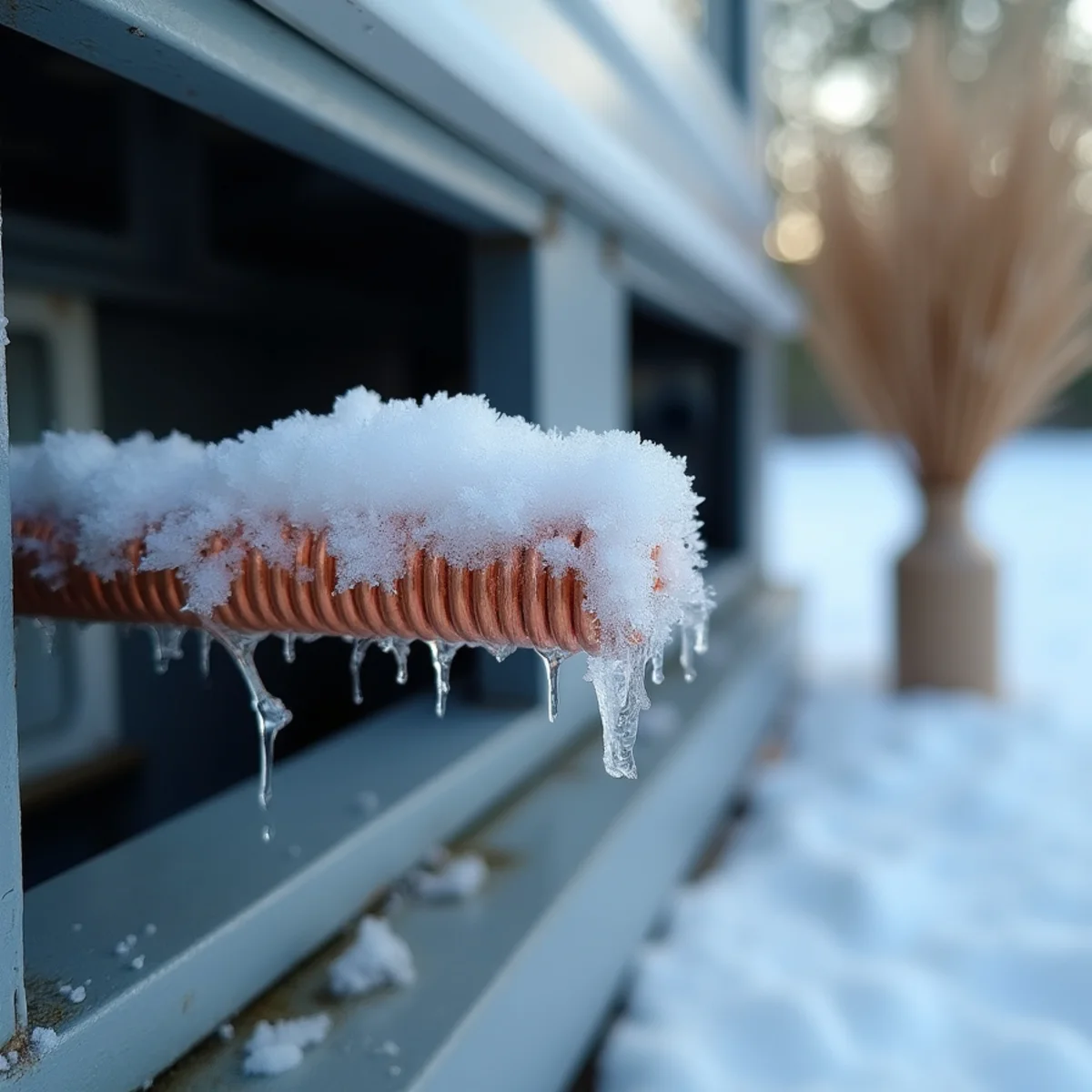
Low refrigerant lowers coil pressure and temperature, so the coil drops below freezing and our humidity condenses and freezes on it. Ice on the copper suction line or the indoor coil is a classic low-charge signature.
A small temperature split tells the story
A healthy system produces a temperature split of roughly 16 to 22 degrees between the return air and the supply air. A split well below that range often points to low charge or airflow trouble, and it is a measurement any good tech will take.
4. Hissing or bubbling sounds
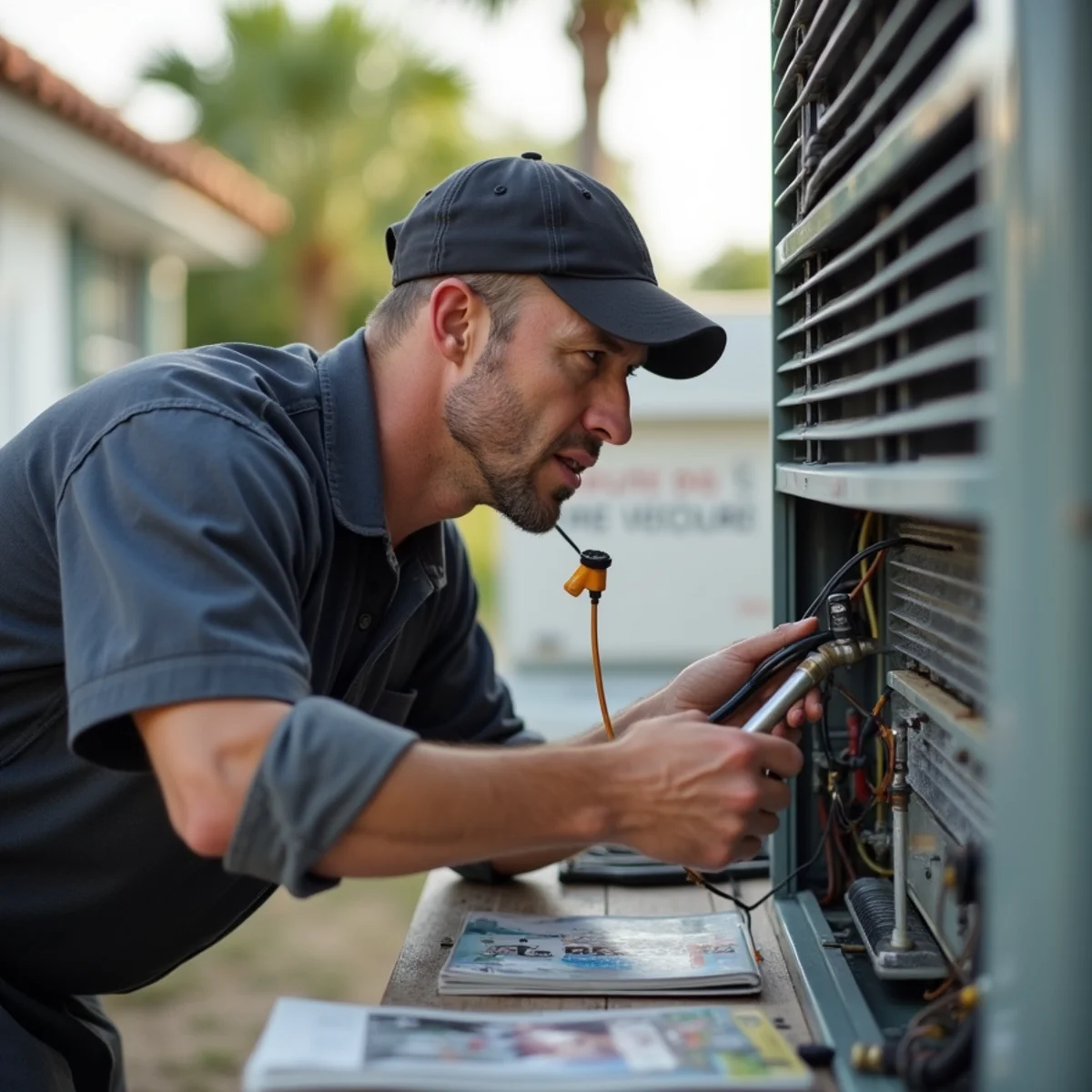
A hiss can be refrigerant escaping through a crack or fitting under pressure; a gurgling or bubbling sound can indicate refrigerant leaking in the lines. Any new sound from the equipment deserves attention.
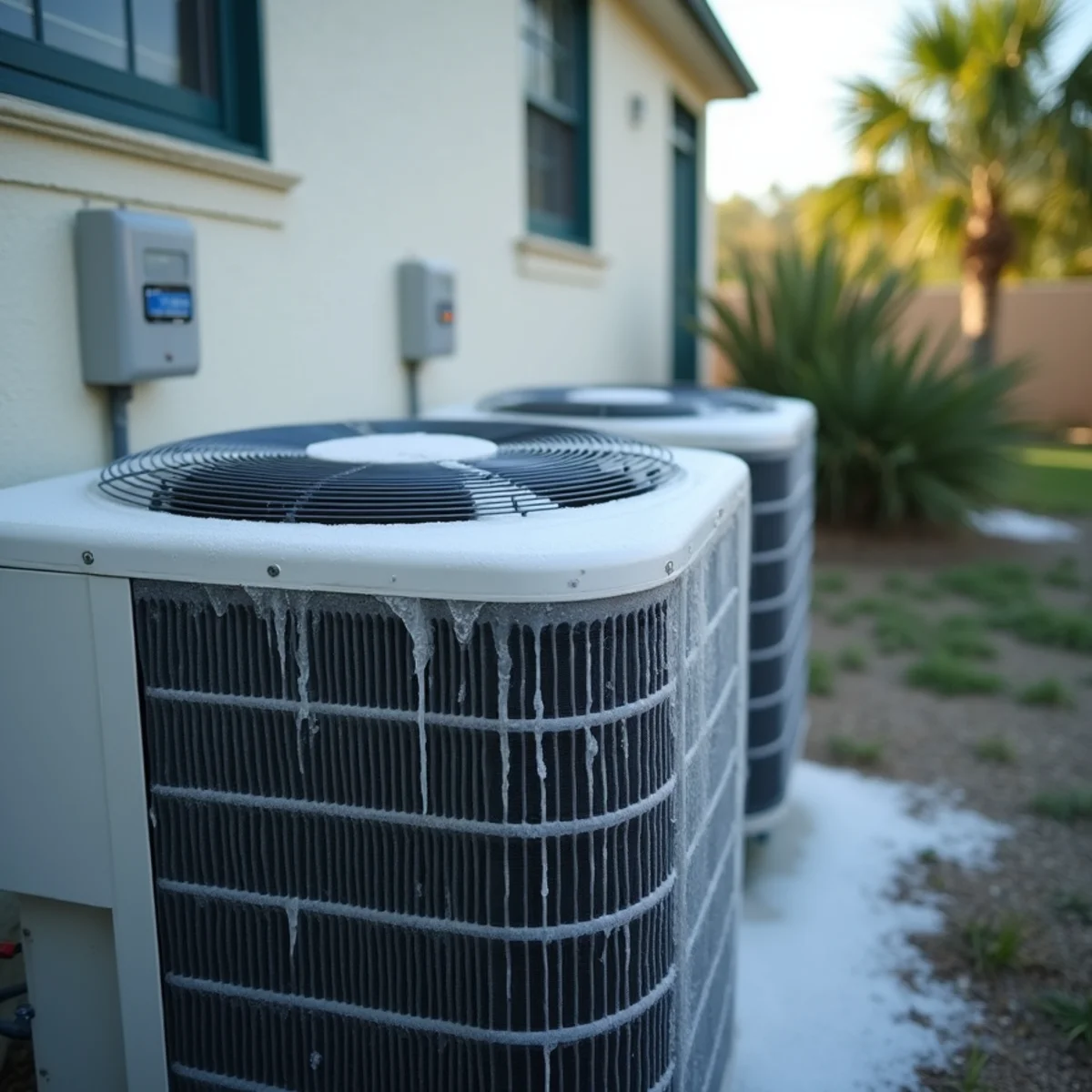
5. A frozen outdoor unit or sweating lines
Beyond the indoor coil, you may see frost forming at the outdoor unit or heavy sweating and ice on the larger copper line. Both point to the pressure and temperature abnormalities that a low charge creates.

6. Humidity that will not quit
An air conditioner low on refrigerant loses dehumidification capacity. If the house feels sticky and damp even while the AC runs, and the thermostat reads fine, poor moisture removal from a weak charge may be the reason.

7. Oily residue near fittings
Refrigerant carries a small amount of oil, so a leak often leaves a greasy or oily film at the connection points, the coil, or along the line set. Spotting that residue can help a technician zero in on the leak location quickly.
Why a proper leak fix matters
Federal EPA Section 608 rules require certified handling of refrigerant, and simply topping off a leaking system is both a temporary fix and an environmental problem. Correct refrigerant leak detection uses electronic detectors or nitrogen pressure testing to find the source, seals it, evacuates the system, and recharges to the manufacturer's exact specification. That is the difference between a repair that lasts and one that fails again by next summer.
How a refrigerant leak is actually found and sealed
Finding a leak is detective work, and a good technician uses more than one method because leaks hide. An electronic refrigerant detector sniffs along the coil, fittings, and line set for escaping gas. A nitrogen standing-pressure test isolates the system under dry nitrogen and watches the gauge over time to confirm whether it holds. A bubble solution reveals leaks at accessible joints, and UV dye circulated through the system can mark a slow, intermittent leak that only shows under a black light on a later visit. In our Gonzales and Prairieville service area, the usual suspects are corroded evaporator coils, brazed joints, and the Schrader valve cores at the service ports.
Sealing the leak is only half the repair. Once the joint is brazed or the component replaced, the system has to be evacuated with a vacuum pump down to a low micron level, verified on a micron gauge, to pull out the moisture and non-condensables that would otherwise corrode the system and hurt performance. Only then is the charge weighed back in to the manufacturer's exact specification and confirmed with subcooling and superheat readings. Skipping the evacuation or eyeballing the charge is how a leak repair fails again the next summer.
Why a top-off is a countdown, not a cure
Adding refrigerant to a leaking system just resets the clock until it runs low again, vents a potent greenhouse gas, and runs counter to EPA Section 608 stewardship. The only lasting fix locates and seals the leak, then recharges to spec.
What running low does to the compressor
Ignoring a low charge is expensive in the long run. Refrigerant also carries the oil that lubricates the compressor, so a low system slowly starves the compressor of lubrication while making it work harder against abnormal pressures. The results stack up over a Louisiana cooling season.
- Higher head pressure and heat that degrade the compressor windings over time
- Repeated coil freezing that can slug liquid refrigerant back to the compressor
- Longer runtimes that drive up power bills month after month
- Poor dehumidification that leaves the house sticky even at temperature
- Eventual compressor failure, one of the costliest repairs on the system
It is worth clearing up a common misconception while we are here: a system that is low on refrigerant is not the same as a system that needs a routine recharge, because a properly installed air conditioner should never need refrigerant added over its life. If a technician tells you the system was simply a little low and they topped it off, ask where the refrigerant went, because it did not evaporate into thin air on its own. That question alone separates a shop that chases the real problem from one that sells you the same top-off every summer. In Gonzales and Prairieville, we see plenty of systems that have been quietly refilled year after year while a small coil leak grew into a large one, and the compressor paid the price. Catching a leak at the first sign and sealing it protects both your wallet and the environment, since the refrigerants in these systems are potent greenhouse gases that federal rules require us to handle responsibly rather than release.
The seven signs at a glance, and how urgent each is
Any one of these signs is worth a call, but some mean you can schedule at your convenience and others mean you should stop running the system before it hurts the compressor. This quick reference ties each symptom to what it usually indicates and how quickly it deserves attention around Gonzales and Prairieville.
| Sign | What it usually means | Urgency |
|---|---|---|
| Weak or warm airflow | Charge too low to absorb heat | Schedule promptly |
| Longer runtimes, higher bills | System cannot reach setpoint | Schedule promptly |
| Ice on the coil or line set | Coil running below freezing | Shut off, thaw, then call |
| Hissing or bubbling sounds | Active refrigerant leak | Call soon |
| Oily residue at fittings | Leak leaving refrigerant oil | Call soon |
| Persistent indoor humidity | Lost dehumidification capacity | Schedule promptly |
The pattern to watch is any sign that involves ice or a power bill that keeps climbing without explanation, because those two point to a system already working against abnormal pressures. Catching a leak at the first sign and sealing it, rather than topping off, is what protects the compressor and keeps a small coil leak from becoming a large one.
Why a top-off keeps costing you every summer
It is worth understanding the economics of the top-off, because it is one of the most common ways homeowners around Gonzales and Prairieville quietly overspend. Each time a shop adds refrigerant to a leaking system without finding the leak, you pay for the refrigerant, you pay for the visit, and you buy only a few weeks or months before the charge drops again. Meanwhile the leak that caused it keeps growing, so the intervals shorten and the cost per season climbs. Over a few years, the money spent refilling a leaking system often exceeds what a proper leak repair would have cost once.
There is a hidden cost beyond the refrigerant, too. A system limping along undercharged runs hotter and works harder all season, which shortens the compressor's life while you are busy paying for top-offs. The refrigerants in these systems are also potent greenhouse gases that federal EPA Section 608 rules require us to handle responsibly rather than vent, so a chronic leak is an environmental problem as well as a financial one. Finding and sealing the leak, then recharging to the manufacturer's exact specification, ends the cycle instead of resetting the clock on it.
Get it diagnosed the right way
If you are seeing any of these signs at your home in Gonzales, Prairieville, or the wider Baton Rouge area, do not settle for a top-off. Call Geaux 72 at (831) 461-3437 and we will find the leak, fix it, and restore your system to a proper charge.
Frequently Asked Questions
No. Refrigerant circulates in a sealed loop and is never consumed. If your system is low, it has a leak, and the leak must be found and sealed rather than just refilled.
A healthy system shows about a 16 to 22 degree difference between return air and supply air. A split well below that often signals low refrigerant or an airflow problem and is worth having measured.
No. Topping off a leaking system is a temporary fix that vents refrigerant and violates the spirit of EPA rules. Proper repair finds and seals the leak, then recharges to spec. Call (831) 461-3437.
Yes. A low charge makes the compressor work harder and can lead to freezing and eventual compressor failure, one of the most expensive repairs. Catching the signs early protects the equipment.
A technician uses more than one method: an electronic detector along the coil and fittings, a nitrogen standing-pressure test, bubble solution at joints, and sometimes UV dye traced on a later visit. Common culprits here are corroded coils, brazed joints, and Schrader valve cores. Call (831) 461-3437.
Related services & areas
Services
Service areas